





Burnout is no longer a personal issue. It is a business risk.
Burnout impacts operations long before it becomes visible
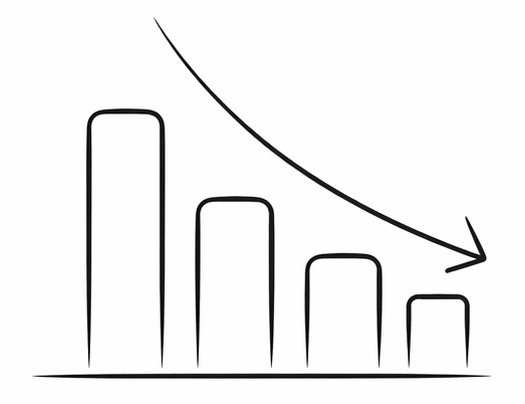
Absenteeism
Increased sick leave and reduced workforce continuity
When stress and fatigue remain unaddressed, short absences become recurring operational disruption – affecting team stability, planning and output.
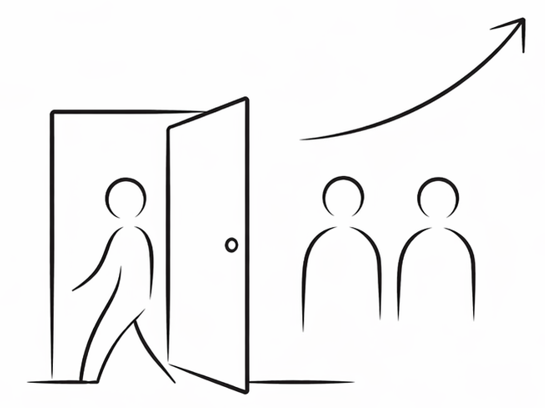
Disengagement
Lower motivation, weaker focus and reduced employee involvement
Burnout rarely starts with absence. It often begins with reduced presence, lower engagement and declining emotional availability at work.
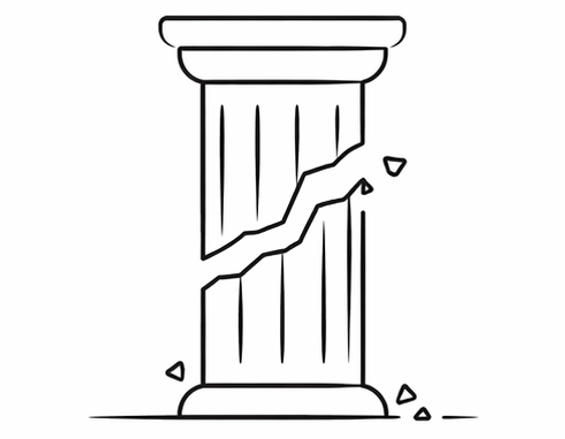
Performance loss
Declining output, reduced focus and weaker team performance
When employee wellbeing declines, productivity, collaboration and decision quality begin to drop long before the issue becomes visible.
A smarter approach to workplace wellbeingn
Workplace wellbeing
must be built into the
workday
The real question is no longer whether wellbeing is offered – but whether it is built into the workday before stress becomes cost, absence or performance loss.
Most workplace wellbeing initiatives fail because they are disconnected from the reality of the workday. They happen too late, too occasionally or outside working hours – making them difficult to access, hard to sustain and easy to ignore.
The Well At Work program is designed for the professional environment: delivered on-site, during working hours and built to fit seamlessly into the workplace. It requires minimal space, avoids employee travel time and supports recovery where stress actually happens.
How it works
A structured approach built for modern workplaces
Designed to integrate into the workday with minimal disruption, clear structure and measurable outcomes.
1.Assess
Identify workplace needs, stress patterns and team priorities before implementation.
2.Deliver
On-site sessions integrated into the workday and designed to fit naturally into the workplace.
3.Support
Practical tools that strengthen individual resilience, team wellbeing and day-to-day recovery.
4.Measure
Track participation, engagement and wellbeing trends through structured internal reporting.
Wellbeing works when it is built across all 3 levels
Real wellbeing at work is not a perk. It is a system that supports how employees regulate stress, recover energy and sustain performance under pressure.
Physical resilience
Help employees regulate stress, restore energy and reduce physical overload during the workday
• stress regulation • energy recovery • fatigue reduction • nervous system reset
Mental clarity
Support focus, cognitive recovery and clearer thinking in demanding work environments.
• focus support • cognitive reset • decision clarity • attention control
Emotional balance
Strengthen emotional regulation, resilience and psychological safety under daily pressure.